

Understanding the law when you need to know how to effectively remove a security tag: tips to avoid inconveniences

Leaving a shop with a security tag still attached to a garment is one of those small yet genuinely frustrating experiences that can happen to anyone. Whether the cashier was distracted or the device simply failed to trigger the scanner at the checkout, the result is the same: you arrive home with a piece of clothing you cannot wear. Understanding the legal landscape around this situation, as well as the way these devices actually function, can spare you a great deal of trouble.
Key points
- Removing a security tag at home without authorization can be legally risky, as it may be interpreted as an intention to deprive a retailer of property.
- A valid receipt is the most critical piece of evidence to prove that an item was purchased lawfully and to resolve the issue administratively.
- Returning to the store is the safest and most effective solution, as staff are professionally equipped to remove tags without damaging the garment.
- Security tags often contain ink vials designed to rupture and permanently stain clothing if the device is tampered with incorrectly.
- Attempting to remove tags using tools like pliers, magnets, or forks carries a high risk of damaging delicate fabrics or stitching.
- Contacting the retailer’s customer service team is a recommended first step to learn the correct procedure for resolving a forgotten security tag.
- Bringing the original receipt and the tagged item to any branch of the store allows staff to disengage the security mechanism quickly and safely.
Legal implications of removing security devices at home
Before reaching for any tools, it is worth pausing to consider the legal dimension of the matter. In the United Kingdom, removing a security tag without the authorisation of the retailer can, in certain circumstances, be interpreted as an intention to deprive the shop of its property, even when the item has been legitimately purchased. The law looks closely at intent, and without the right documentation, a misunderstanding can escalate surprisingly quickly. This is why, when thinking about how to effectively remove a security tag, the very first step should always be a legal and documented one.
The importance of proof of purchase to avoid misunderstandings
Your receipt is arguably the most important document you can have in this situation. It establishes, beyond any reasonable doubt, that the item in question was purchased lawfully. Keeping your receipt — whether printed or digital — means that if any question arises about your possession of the garment, you have clear evidence to present. Some retailers also offer electronic proof of purchase linked to a loyalty card or an email address, which can serve equally well. The key point is that proof of purchase transforms a potentially awkward encounter into a simple administrative correction.

Why returning to the retail shop is always the safest option
Returning to the store is, without question, the most straightforward and legally sound course of action. Retail staff are trained to handle these situations efficiently, and most shops will remove the device immediately upon presentation of your receipt. There is no risk of damaging the fabric, no risk of an ink cartridge rupturing over your clothing, and no legal ambiguity whatsoever. The inconvenience of a return trip is far outweighed by the peace of mind it affords.
How retail security mechanisms function on clothing
To understand why certain removal methods carry risks, it helps to know a little about how these devices are constructed. Security tags used in retail clothing shops are not all identical; they operate on different principles and are designed to resist tampering.
The difference between ink cartouches and magnetic systems
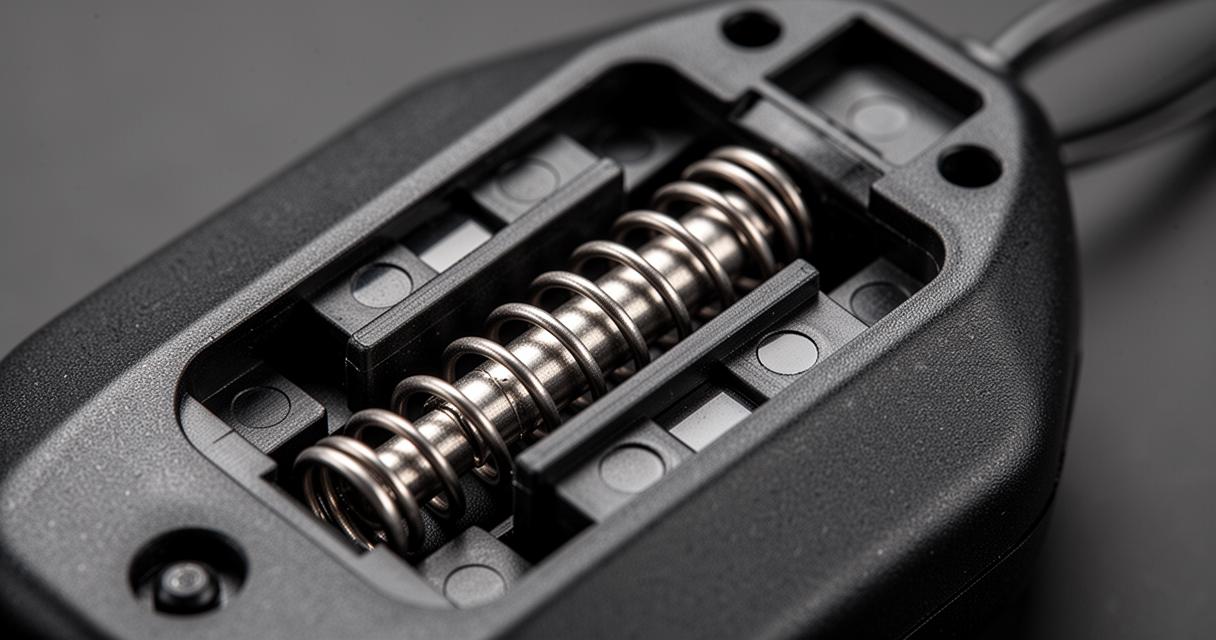
The two most common types of security device found on garments are ink-based tags and magnetic tags. An ink cartridge tag contains a small vial of dye that is designed to rupture if the tag is forced open incorrectly, permanently staining the fabric. This is the mechanism intended to deter theft: even if a person manages to remove the tag, the garment becomes unwearable. Magnetic tags, by contrast, operate through a locking mechanism that requires a specific magnetic detacher tool, typically the kind found at a shop counter. These systems do not contain ink but can still cause damage to delicate fabrics and stitching if force is applied. Some tags combine both systems, adding an extra layer of complexity to any attempted removal.
The risks of damaging delicate fabrics with improper tools
The internet is filled with suggestions involving rubber bands, pliers, a strong magnet, or even a fork and a piece of wire. While some of these methods may occasionally work on certain types of tags, they carry a very real risk of damaging the fabric or the garment’s stitching. A powerful magnet, for instance, may successfully disengage a magnetic locking mechanism on some tags, but it is unlikely to work on more sophisticated systems. Attempting to use a clip, a pin, or to perforate the plastic casing of a tag risks not only ruining the clothing but also, in the case of ink tags, causing a stain that cannot be removed. Thin threads and fine woven textiles are particularly vulnerable to being pulled or torn when force is applied near the point of attachment.
What to do when a cashier forgets to detach a device
Discovering a forgotten security tag at home is an inconvenience, but it is also a fairly common one. Retailers are well aware that it happens, and most have clear procedures in place to resolve the matter swiftly and without fuss.

Contacting customer services before attempting any method
The first and most sensible step is to contact the retailer’s customer services team, either by telephone or through their website. Explaining the situation and providing your order or transaction reference will usually result in a swift resolution. Many retailers will invite you to return to any branch of the store, not necessarily the one where you made the purchase, to have the security device removed. In some cases, a postal solution may be arranged for online purchases. Acting promptly and communicating clearly with the shop is always preferable to attempting any removal technique at home.
Necessary documentation to present at the store counter
When you visit the shop to have the tag removed, bringing the right documentation will make the process considerably smoother. Your original receipt or email confirmation, any loyalty card linked to the transaction, and the item itself with the tag still attached are all helpful. Staff at the counter will use the appropriate magnetic detacher or alternative tool to disengage the locking mechanism cleanly and safely, without any risk to the garment. The whole process typically takes only a matter of moments and leaves you free to enjoy your purchase without further difficulty. Being prepared with the correct paperwork is the simplest way to ensure that a minor administrative oversight is resolved quickly and without any lasting inconvenience.

Recent Comments